Thursday, December 4, 2025

Global Hospital Alarm Management Systems Market Research Report 2025

What is Global Hospital Alarm Management Systems Market?

The Global Hospital Alarm Management Systems Market is a rapidly evolving sector within the healthcare industry, focusing on the development and implementation of systems designed to manage and prioritize alarms in hospital settings. These systems are crucial in addressing the issue of alarm fatigue, a significant problem where healthcare professionals become desensitized to the numerous alarms sounding in a hospital environment, potentially leading to missed critical alerts. By integrating advanced technologies, such as artificial intelligence and machine learning, these systems can analyze and prioritize alarms based on urgency and relevance, ensuring that healthcare providers can respond promptly to critical situations. The market is driven by the increasing demand for improved patient safety and the need to enhance the efficiency of healthcare delivery. Additionally, regulatory bodies are imposing stricter guidelines on alarm management, further propelling the market's growth. As hospitals and healthcare facilities continue to adopt these systems, the market is expected to expand, offering innovative solutions to improve patient outcomes and streamline hospital operations. The Global Hospital Alarm Management Systems Market is thus a vital component in the modernization of healthcare infrastructure, aiming to create safer and more efficient environments for both patients and healthcare professionals.
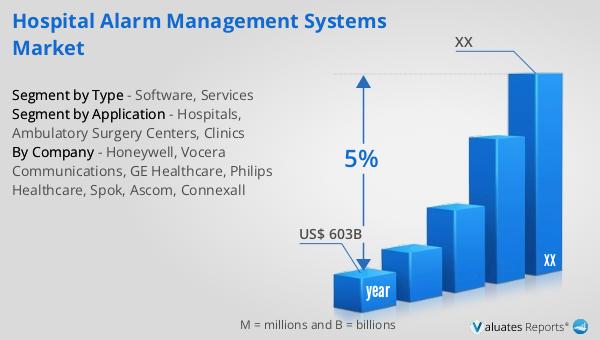
Hospital Alarm Management Systems Market

Software, Services in the Global Hospital Alarm Management Systems Market:

In the realm of Global Hospital Alarm Management Systems, software and services play pivotal roles in ensuring the effective management of alarms within healthcare facilities. Software solutions are at the core of these systems, providing the necessary tools to analyze, prioritize, and manage alarms generated by various medical devices. These software platforms are designed to integrate seamlessly with existing hospital information systems, allowing for real-time data analysis and decision-making. Advanced algorithms and machine learning capabilities enable the software to differentiate between critical and non-critical alarms, reducing the risk of alarm fatigue among healthcare professionals. Moreover, these software solutions often come with customizable features, allowing hospitals to tailor the alarm management system to their specific needs and requirements. On the other hand, services associated with Global Hospital Alarm Management Systems encompass a wide range of offerings, including installation, maintenance, training, and support. Service providers work closely with healthcare facilities to ensure the smooth implementation and operation of alarm management systems. They offer comprehensive training programs to educate healthcare staff on the effective use of these systems, ensuring that they are well-equipped to respond to alarms appropriately. Additionally, ongoing maintenance and support services are crucial in keeping the systems up-to-date and functioning optimally. This includes regular software updates, troubleshooting, and technical assistance to address any issues that may arise. The combination of robust software solutions and comprehensive services is essential in creating an effective alarm management system that enhances patient safety and improves the overall efficiency of healthcare delivery. As the demand for these systems continues to grow, software and service providers are constantly innovating to offer more advanced and user-friendly solutions, further driving the market's expansion.

Hospitals, Ambulatory Surgery Centers, Clinics in the Global Hospital Alarm Management Systems Market:

The usage of Global Hospital Alarm Management Systems is prevalent across various healthcare settings, including hospitals, ambulatory surgery centers, and clinics, each benefiting from the enhanced safety and efficiency these systems provide. In hospitals, where the volume of patients and medical devices is significantly higher, alarm management systems are crucial in preventing alarm fatigue and ensuring that critical alerts are not missed. These systems help streamline the workflow by prioritizing alarms based on urgency, allowing healthcare professionals to focus on providing timely and effective care. In ambulatory surgery centers, where surgical procedures are performed on an outpatient basis, alarm management systems play a vital role in monitoring patients' vital signs and ensuring their safety during and after surgery. By providing real-time data and alerts, these systems enable surgical teams to respond quickly to any changes in a patient's condition, reducing the risk of complications. Clinics, which often have limited resources and staff, also benefit from the implementation of alarm management systems. These systems help optimize the use of available resources by reducing the number of false alarms and ensuring that healthcare providers can focus on delivering quality care to patients. Additionally, the integration of alarm management systems with electronic health records (EHR) in clinics allows for better coordination of care and improved patient outcomes. Overall, the adoption of Global Hospital Alarm Management Systems across these healthcare settings is instrumental in enhancing patient safety, improving workflow efficiency, and ensuring the delivery of high-quality care. As the healthcare industry continues to evolve, the demand for these systems is expected to increase, further driving their adoption and integration into various healthcare environments.

Global Hospital Alarm Management Systems Market Outlook:

Our research indicates that the global market for medical devices is projected to reach approximately $603 billion in 2023, with an anticipated growth rate of 5% annually over the next six years. This growth trajectory underscores the increasing demand for advanced medical technologies and solutions that enhance patient care and operational efficiency within healthcare facilities. The expansion of the medical device market is driven by several factors, including the rising prevalence of chronic diseases, an aging population, and the continuous advancements in medical technology. As healthcare providers strive to improve patient outcomes and streamline operations, the adoption of innovative medical devices, such as hospital alarm management systems, is becoming increasingly essential. These devices not only enhance patient safety by reducing alarm fatigue but also contribute to the overall efficiency of healthcare delivery. Furthermore, the growing emphasis on regulatory compliance and patient safety standards is prompting healthcare facilities to invest in advanced alarm management solutions. As a result, the market for hospital alarm management systems is poised for significant growth, aligning with the broader trends observed in the global medical device market. This growth presents numerous opportunities for manufacturers and service providers to develop and offer cutting-edge solutions that meet the evolving needs of healthcare facilities worldwide.


Report Metric Details
Report Name Hospital Alarm Management Systems Market
Accounted market size in year US$ 603 billion
CAGR 5%
Base Year year
Segment by Type
  • Software
  • Services
Segment by Application
  • Hospitals
  • Ambulatory Surgery Centers
  • Clinics
By Region
  • North America (United States, Canada)
  • Europe (Germany, France, UK, Italy, Russia) Rest of Europe
  • Nordic Countries
  • Asia-Pacific (China, Japan, South Korea)
  • Southeast Asia (India, Australia)
  • Rest of Asia
  • Latin America (Mexico, Brazil)
  • Rest of Latin America
  • Middle East & Africa (Turkey, Saudi Arabia, UAE, Rest of MEA)
By Company Honeywell, Vocera Communications, GE Healthcare, Philips Healthcare, Spok, Ascom, Connexall
Forecast units USD million in value
Report coverage Revenue and volume forecast, company share, competitive landscape, growth factors and trends

Global Patient Positioning Radiation Therapies Market Research Report 2025

What is Global Patient Positioning Radiation Therapies Market?

The Global Patient Positioning Radiation Therapies Market is a specialized segment within the healthcare industry that focuses on the development and provision of devices and systems designed to accurately position patients during radiation therapy. This market is crucial because precise patient positioning is essential for the effective delivery of radiation therapy, which is a common treatment for various types of cancer. The goal is to ensure that radiation is delivered to the exact location of the tumor while minimizing exposure to surrounding healthy tissues. This precision helps in maximizing the efficacy of the treatment and reducing potential side effects. The market encompasses a range of products, including positioning devices, consumables, and other related technologies, all aimed at enhancing the accuracy and comfort of patients undergoing radiation therapy. As cancer treatment continues to evolve, the demand for advanced patient positioning solutions is expected to grow, driven by the increasing prevalence of cancer and the need for more targeted and effective treatment options.

Patient Positioning Radiation Therapies Market

Position Devices, Position Consumables, Others in the Global Patient Positioning Radiation Therapies Market:

Positioning devices, consumables, and other related products play a vital role in the Global Patient Positioning Radiation Therapies Market. Positioning devices are designed to hold patients in a stable and precise position during radiation therapy sessions. These devices can include immobilization systems, such as masks and molds, which are custom-made for each patient to ensure a snug fit. They help in maintaining the patient's position throughout the treatment, reducing the risk of movement that could lead to inaccurate radiation delivery. Additionally, these devices often incorporate advanced imaging technologies to further enhance precision. Position consumables, on the other hand, are items that are used during the positioning process but are not reusable. These can include adhesive tapes, cushions, and other materials that help in securing the patient in the desired position. Consumables are essential for ensuring patient comfort and stability, which are critical for the success of the therapy. Other products in this market may include software solutions that assist in planning and monitoring the positioning process, as well as accessories that enhance the functionality of the primary positioning devices. Together, these components form a comprehensive system that supports the effective delivery of radiation therapy, ensuring that patients receive the maximum therapeutic benefit while minimizing potential risks.

Hospitals, Cancer Research Institutes, Radiation Therapy Centers, Diagnostic Imaging Centers in the Global Patient Positioning Radiation Therapies Market:

The usage of Global Patient Positioning Radiation Therapies Market products is widespread across various healthcare settings, including hospitals, cancer research institutes, radiation therapy centers, and diagnostic imaging centers. In hospitals, these products are integral to the oncology department, where they are used to treat patients with different types of cancer. Hospitals often have dedicated radiation therapy units equipped with advanced positioning systems to ensure that patients receive the most accurate and effective treatment possible. Cancer research institutes also rely heavily on these technologies as they conduct studies to develop new and improved radiation therapy techniques. The precision offered by advanced positioning systems is crucial for research purposes, as it allows for the accurate assessment of treatment outcomes and the development of innovative therapies. Radiation therapy centers, which specialize in providing radiation treatments, are another key user of these products. These centers often invest in the latest positioning technologies to offer their patients the best possible care. Finally, diagnostic imaging centers use positioning devices and consumables to ensure accurate imaging results, which are essential for planning effective radiation therapy treatments. By providing precise and reliable positioning, these products help healthcare providers deliver high-quality care to patients undergoing radiation therapy.

Global Patient Positioning Radiation Therapies Market Outlook:

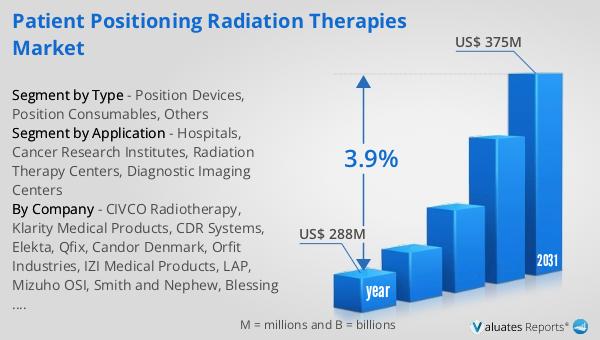
The global market for Patient Positioning Radiation Therapies was valued at $288 million in 2024 and is anticipated to expand to a revised size of $375 million by 2031, reflecting a compound annual growth rate (CAGR) of 3.9% over the forecast period. In contrast, the global pharmaceutical market was valued at $1,475 billion in 2022, with a projected CAGR of 5% over the next six years. Meanwhile, the chemical drug market is expected to grow from $1,005 billion in 2018 to $1,094 billion by 2022. These figures highlight the relative scale and growth potential of the Patient Positioning Radiation Therapies Market within the broader healthcare industry. While the pharmaceutical market is significantly larger, the specialized nature of the patient positioning market underscores its importance in the context of cancer treatment and radiation therapy. The steady growth of this market reflects the ongoing demand for advanced technologies that enhance the precision and effectiveness of radiation therapy, ultimately contributing to improved patient outcomes.


Report Metric Details
Report Name Patient Positioning Radiation Therapies Market
Accounted market size in year US$ 288 million
Forecasted market size in 2031 US$ 375 million
CAGR 3.9%
Base Year year
Forecasted years 2025 - 2031
Segment by Type
  • Position Devices
  • Position Consumables
  • Others
Segment by Application
  • Hospitals
  • Cancer Research Institutes
  • Radiation Therapy Centers
  • Diagnostic Imaging Centers
By Region
  • North America (United States, Canada)
  • Europe (Germany, France, UK, Italy, Russia) Rest of Europe
  • Nordic Countries
  • Asia-Pacific (China, Japan, South Korea)
  • Southeast Asia (India, Australia)
  • Rest of Asia
  • Latin America (Mexico, Brazil)
  • Rest of Latin America
  • Middle East & Africa (Turkey, Saudi Arabia, UAE, Rest of MEA)
By Company CIVCO Radiotherapy, Klarity Medical Products, CDR Systems, Elekta, Qfix, Candor Denmark, Orfit Industries, IZI Medical Products, LAP, Mizuho OSI, Smith and Nephew, Blessing Cathay
Forecast units USD million in value
Report coverage Revenue and volume forecast, company share, competitive landscape, growth factors and trends

Global Salted Butter Market Research Report 2025

What is Global Salted Butter Market?

The global salted butter market is a significant segment within the dairy industry, characterized by its widespread use and diverse applications. Salted butter is essentially regular butter with added salt, which acts as a preservative and enhances flavor. This type of butter is popular worldwide due to its rich taste and versatility in cooking and baking. The market for salted butter is driven by several factors, including increasing consumer preference for natural and organic food products, the growing popularity of home baking, and the rising demand for convenience foods. Additionally, the expansion of the foodservice industry and the increasing consumption of bakery and confectionery products contribute to the market's growth. The global salted butter market is also influenced by regional dietary habits and cultural preferences, with variations in consumption patterns observed across different countries. As consumers become more health-conscious, there is a growing trend towards the consumption of butter made from grass-fed cows, which is perceived to be healthier and more sustainable. Overall, the global salted butter market is poised for steady growth, driven by evolving consumer preferences and the increasing demand for high-quality dairy products.

Salted Butter Market

Butter Blocks, Butter Sticks in the Global Salted Butter Market:

Butter blocks and butter sticks are two common forms of salted butter available in the global market, each catering to different consumer needs and preferences. Butter blocks are typically larger in size and are often used in commercial settings such as bakeries, restaurants, and food manufacturing. These blocks are favored for their convenience in bulk usage, allowing chefs and bakers to measure and use large quantities of butter efficiently. The consistency and quality of butter blocks make them ideal for creating pastries, sauces, and other culinary delights that require a rich, buttery flavor. On the other hand, butter sticks are smaller and more convenient for household use. They are usually packaged in pre-measured portions, making them easy to use for everyday cooking and baking. Butter sticks are popular among home cooks for their ease of storage and handling, as they fit neatly in the refrigerator and can be easily sliced or melted as needed. The packaging of butter sticks often includes measurement markings, which help in precise cooking and baking. In the global salted butter market, both butter blocks and butter sticks play a crucial role in meeting the diverse needs of consumers. The choice between the two often depends on the scale of use and personal preference. While commercial establishments may prefer butter blocks for their efficiency and cost-effectiveness, households may opt for butter sticks for their convenience and ease of use. The versatility of salted butter, whether in block or stick form, makes it a staple ingredient in kitchens around the world. Its ability to enhance the flavor of dishes, provide a rich texture, and act as a natural preservative makes it an indispensable component in both professional and home cooking. As the global salted butter market continues to grow, the demand for both butter blocks and butter sticks is expected to rise, driven by the increasing popularity of baking and cooking at home, as well as the expanding foodservice industry.

Household Use, Commercial Use in the Global Salted Butter Market:

The global salted butter market finds extensive usage in both household and commercial settings, each with its unique demands and applications. In households, salted butter is a staple ingredient used for a variety of purposes. It is commonly used as a spread on bread, toast, and crackers, adding a rich and savory flavor to everyday meals. Home cooks also use salted butter in baking, where it plays a crucial role in creating the perfect texture and flavor in cakes, cookies, and pastries. The convenience of butter sticks makes them particularly popular in households, as they are easy to measure and use in recipes. Additionally, salted butter is often used in cooking to sauté vegetables, enhance the flavor of sauces, and add richness to soups and stews. In commercial settings, the usage of salted butter is even more diverse and extensive. Restaurants, bakeries, and food manufacturers rely on salted butter for its consistent quality and flavor. In bakeries, salted butter is a key ingredient in the production of pastries, croissants, and other baked goods, where it contributes to the flaky texture and rich taste. Chefs in restaurants use salted butter to create a variety of dishes, from savory sauces to decadent desserts. The foodservice industry also uses salted butter in large quantities for catering events, where it is used to prepare a wide range of dishes. The versatility of salted butter makes it an essential ingredient in commercial kitchens, where it is valued for its ability to enhance the flavor and texture of food. As the global salted butter market continues to grow, the demand for salted butter in both household and commercial settings is expected to increase. The rising popularity of home cooking and baking, along with the expansion of the foodservice industry, are key drivers of this growth. Consumers' preference for natural and high-quality ingredients further fuels the demand for salted butter, making it a vital component in kitchens around the world.

Global Salted Butter Market Outlook:

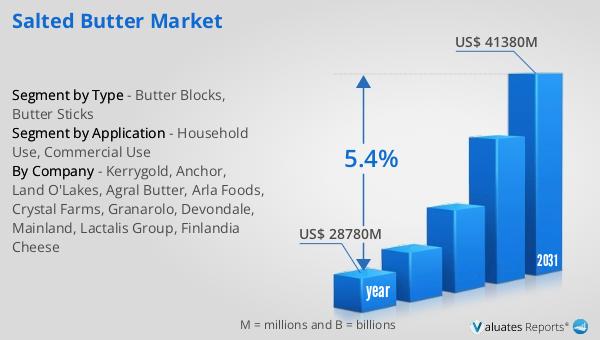
The global market for salted butter was valued at approximately $28.78 billion in 2024, and it is anticipated to expand significantly over the coming years. By 2031, the market is projected to reach a revised size of around $41.38 billion, reflecting a compound annual growth rate (CAGR) of 5.4% during the forecast period. This growth trajectory indicates a robust demand for salted butter across various regions and sectors. The increasing consumer preference for natural and organic food products, coupled with the rising popularity of home baking and cooking, are key factors driving this market expansion. Additionally, the growth of the foodservice industry and the increasing consumption of bakery and confectionery products contribute to the market's upward trend. As consumers become more health-conscious, there is a growing trend towards the consumption of butter made from grass-fed cows, which is perceived to be healthier and more sustainable. This shift in consumer preferences is expected to further boost the demand for high-quality salted butter in the coming years. Overall, the global salted butter market is poised for steady growth, driven by evolving consumer preferences and the increasing demand for high-quality dairy products.


Report Metric Details
Report Name Salted Butter Market
Accounted market size in year US$ 28780 million
Forecasted market size in 2031 US$ 41380 million
CAGR 5.4%
Base Year year
Forecasted years 2025 - 2031
Segment by Type
  • Butter Blocks
  • Butter Sticks
Segment by Application
  • Household Use
  • Commercial Use
Consumption by Region
  • North America (United States, Canada)
  • Europe (Germany, France, UK, Italy, Russia)
  • Asia-Pacific (China, Japan, South Korea, Taiwan)
  • Southeast Asia (India)
  • Latin America (Mexico, Brazil)
By Company Kerrygold, Anchor, Land O'Lakes, Agral Butter, Arla Foods, Crystal Farms, Granarolo, Devondale, Mainland, Lactalis Group, Finlandia Cheese
Forecast units USD million in value
Report coverage Revenue and volume forecast, company share, competitive landscape, growth factors and trends

Global Unsalted Butter Market Research Report 2025

What is Global Unsalted Butter Market?

The Global Unsalted Butter Market is a dynamic and evolving sector within the broader dairy industry. Unsalted butter, known for its pure and creamy taste, is a staple in many households and commercial kitchens worldwide. Unlike salted butter, unsalted butter does not contain added salt, making it a preferred choice for bakers and chefs who want to control the seasoning of their dishes precisely. The market for unsalted butter is influenced by several factors, including consumer preferences for natural and organic products, the rise in home baking trends, and the increasing demand for high-quality dairy products. Additionally, the global unsalted butter market is shaped by regional dietary habits, economic conditions, and the availability of raw materials like milk and cream. As consumers become more health-conscious, there is a growing trend towards products that are perceived as healthier, which includes unsalted butter due to its lack of added sodium. This market is also impacted by global trade policies, dairy production regulations, and technological advancements in dairy processing. Overall, the Global Unsalted Butter Market is poised for growth as it adapts to changing consumer demands and market conditions.

Unsalted Butter Market

Butter Blocks, Butter Sticks in the Global Unsalted Butter Market:

Butter blocks and butter sticks are two popular forms of unsalted butter available in the global market, each catering to different consumer needs and preferences. Butter blocks are typically larger in size and are often used in commercial settings such as bakeries, restaurants, and food manufacturing. These blocks are favored for their convenience in large-scale food production, where precise measurements and consistent quality are crucial. The larger size of butter blocks allows for easy portioning and reduces the need for frequent restocking, making them an economical choice for businesses. On the other hand, butter sticks are smaller and more commonly found in household kitchens. They are pre-measured, usually in quarter-pound increments, making them convenient for home cooks who require precise amounts for recipes. The stick form also makes it easier to store and handle, fitting neatly into refrigerator compartments and butter dishes. In the global unsalted butter market, both forms have their unique advantages and are chosen based on the specific needs of the user. The choice between butter blocks and sticks often depends on factors such as the scale of use, storage facilities, and the nature of the culinary application. For instance, a large bakery might prefer butter blocks for their bulk needs, while a home baker might opt for the convenience of butter sticks. Additionally, the packaging and presentation of these butter forms can influence consumer choice. Butter blocks are often wrapped in foil or parchment to maintain freshness and prevent contamination, while butter sticks are typically packaged in paper or plastic wrappers with measurement markings for ease of use. The global unsalted butter market continues to innovate in terms of packaging and product offerings to meet the diverse needs of its consumers. As the demand for unsalted butter grows, manufacturers are exploring new ways to enhance the usability and appeal of both butter blocks and sticks. This includes developing eco-friendly packaging solutions, offering organic and grass-fed options, and creating flavored varieties to cater to evolving consumer tastes. The versatility of unsalted butter, whether in block or stick form, makes it a valuable ingredient in both professional and home kitchens around the world. Its ability to enhance the flavor and texture of a wide range of dishes ensures its continued popularity in the global market.

Household Use, Commercial Use in the Global Unsalted Butter Market:

The usage of unsalted butter in the global market spans across various sectors, with household and commercial use being the most prominent. In households, unsalted butter is a kitchen staple, cherished for its versatility and rich flavor. Home cooks and bakers prefer unsalted butter for its ability to provide a clean, pure taste to dishes without the interference of added salt. This allows for greater control over the seasoning and flavor profile of recipes, making it an essential ingredient in baking, cooking, and even as a spread. The rise in home baking trends, fueled by cooking shows and social media, has further boosted the demand for unsalted butter in households. Consumers are increasingly experimenting with new recipes and techniques, and unsalted butter is often a key component in achieving the desired results. In the commercial sector, unsalted butter is a critical ingredient in the food service industry, including restaurants, bakeries, and catering services. Chefs and food manufacturers rely on unsalted butter for its consistent quality and performance in a wide range of culinary applications. From creating flaky pastries and rich sauces to enhancing the flavor of grilled meats and vegetables, unsalted butter is a versatile ingredient that elevates the taste and texture of dishes. The commercial use of unsalted butter is also driven by the demand for premium and artisanal food products, where high-quality ingredients are paramount. In addition to its culinary uses, unsalted butter is also utilized in the production of various processed foods, such as confectionery, snacks, and ready-to-eat meals. Its role in these products is to enhance flavor, improve texture, and extend shelf life. The global unsalted butter market continues to grow as both household and commercial consumers seek high-quality, natural ingredients that align with their culinary and health preferences. As the market evolves, manufacturers are focusing on innovation and sustainability to meet the changing demands of consumers. This includes offering organic and grass-fed options, developing eco-friendly packaging, and exploring new product formats to cater to diverse consumer needs. The widespread use of unsalted butter in both household and commercial settings underscores its importance as a fundamental ingredient in the global food industry.

Global Unsalted Butter Market Outlook:

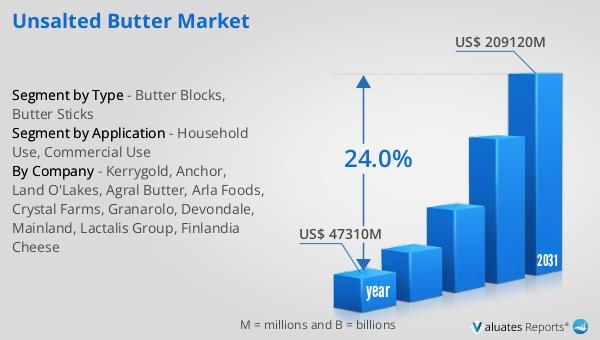
The global market for unsalted butter is experiencing significant growth, with its value estimated at $47,310 million in 2024. This market is projected to expand substantially, reaching an impressive size of $209,120 million by 2031. This growth trajectory represents a robust compound annual growth rate (CAGR) of 24.0% over the forecast period. The increasing demand for unsalted butter can be attributed to several factors, including the rising consumer preference for natural and organic products, the growing popularity of home baking, and the expanding food service industry. As consumers become more health-conscious, there is a noticeable shift towards products perceived as healthier, such as unsalted butter, which lacks added sodium. Additionally, the versatility of unsalted butter in both household and commercial applications contributes to its widespread appeal. The market's growth is also supported by advancements in dairy processing technology and the development of innovative product offerings. As the global unsalted butter market continues to evolve, manufacturers are focusing on meeting the diverse needs of consumers by offering high-quality, sustainable, and convenient products. This dynamic market is poised for continued expansion as it adapts to changing consumer preferences and market conditions.


Report Metric Details
Report Name Unsalted Butter Market
Accounted market size in year US$ 47310 million
Forecasted market size in 2031 US$ 209120 million
CAGR 24.0%
Base Year year
Forecasted years 2025 - 2031
Segment by Type
  • Butter Blocks
  • Butter Sticks
Segment by Application
  • Household Use
  • Commercial Use
Consumption by Region
  • North America (United States, Canada)
  • Europe (Germany, France, UK, Italy, Russia)
  • Asia-Pacific (China, Japan, South Korea, Taiwan)
  • Southeast Asia (India)
  • Latin America (Mexico, Brazil)
By Company Kerrygold, Anchor, Land O'Lakes, Agral Butter, Arla Foods, Crystal Farms, Granarolo, Devondale, Mainland, Lactalis Group, Finlandia Cheese
Forecast units USD million in value
Report coverage Revenue and volume forecast, company share, competitive landscape, growth factors and trends

Global Systemic Sclerosis Treatments Market Research Report 2025

What is Global Systemic Sclerosis Treatments Market?

The Global Systemic Sclerosis Treatments Market is a specialized segment within the broader pharmaceutical industry, focusing on therapies and medications designed to manage and treat systemic sclerosis, a rare autoimmune disease. This condition, also known as scleroderma, is characterized by the hardening and tightening of the skin and connective tissues. The market for these treatments is driven by the need to address the complex symptoms associated with the disease, which can affect various organs, including the skin, lungs, heart, and kidneys. Treatment options in this market include immunosuppressants, anti-fibrotic agents, and vasodilators, among others. The market is influenced by ongoing research and development efforts aimed at discovering more effective therapies with fewer side effects. Additionally, the increasing awareness of systemic sclerosis and the availability of advanced diagnostic tools contribute to the growth of this market. As healthcare systems worldwide strive to improve patient outcomes, the demand for innovative and effective treatments for systemic sclerosis continues to rise, making this market a critical area of focus for pharmaceutical companies and healthcare providers alike.

Systemic Sclerosis Treatments Market

Limited Cutaneous Systemic Sclerosis, Diffuse Cutaneous Systemic Sclerosis in the Global Systemic Sclerosis Treatments Market:

Limited Cutaneous Systemic Sclerosis (lcSSc) and Diffuse Cutaneous Systemic Sclerosis (dcSSc) are two major subtypes of systemic sclerosis, each with distinct clinical features and treatment needs. In the Global Systemic Sclerosis Treatments Market, these subtypes are addressed with tailored therapeutic approaches. Limited Cutaneous Systemic Sclerosis primarily affects the skin on the face, hands, and feet, and is often associated with a slower progression of internal organ involvement. Patients with lcSSc may experience symptoms such as Raynaud's phenomenon, skin thickening, and digital ulcers. Treatment for lcSSc focuses on managing these symptoms and preventing complications. Vasodilators are commonly used to improve blood flow and reduce the severity of Raynaud's phenomenon. Additionally, immunosuppressants may be prescribed to control the autoimmune response and prevent further skin and organ damage. On the other hand, Diffuse Cutaneous Systemic Sclerosis is characterized by widespread skin involvement and a higher risk of internal organ complications. Patients with dcSSc may experience rapid skin thickening and fibrosis, affecting not only the skin but also vital organs such as the lungs, heart, and kidneys. The treatment approach for dcSSc is more aggressive, often involving a combination of immunosuppressants, anti-fibrotic agents, and other medications to manage organ-specific symptoms. For instance, pulmonary arterial hypertension, a common complication in dcSSc, may be treated with endothelin receptor antagonists or phosphodiesterase-5 inhibitors to improve lung function and reduce blood pressure in the pulmonary arteries. The Global Systemic Sclerosis Treatments Market is continuously evolving, with ongoing research efforts aimed at developing targeted therapies that address the underlying mechanisms of the disease. Biologic agents, which target specific pathways involved in the disease process, are being explored as potential treatment options for both lcSSc and dcSSc. These therapies hold promise for improving patient outcomes by slowing disease progression and reducing the severity of symptoms. Furthermore, the market is witnessing increased collaboration between pharmaceutical companies, research institutions, and healthcare providers to advance the understanding of systemic sclerosis and develop innovative treatment strategies. As a result, patients with lcSSc and dcSSc have access to a growing range of therapeutic options that can be tailored to their specific needs, improving their quality of life and overall prognosis.

Hospital Pharmacies, Drug Stores, Retail Pharmacies, Online Pharmacies in the Global Systemic Sclerosis Treatments Market:

The Global Systemic Sclerosis Treatments Market plays a crucial role in various healthcare settings, including hospital pharmacies, drug stores, retail pharmacies, and online pharmacies. Each of these distribution channels serves a unique purpose in ensuring that patients have access to the medications they need to manage systemic sclerosis effectively. Hospital pharmacies are integral to the treatment of systemic sclerosis, particularly for patients with severe symptoms or complications that require specialized care. These pharmacies are typically located within hospitals and are responsible for dispensing medications to inpatients and outpatients. Hospital pharmacists work closely with healthcare providers to ensure that patients receive the appropriate medications and dosages based on their specific condition and treatment plan. They also provide valuable counseling and education to patients and their families, helping them understand the importance of adherence to prescribed therapies and potential side effects. Drug stores and retail pharmacies are more accessible to the general public and play a vital role in the ongoing management of systemic sclerosis. These pharmacies offer a wide range of medications, including those used to treat systemic sclerosis, and provide convenient access for patients who require regular refills of their prescriptions. Pharmacists in these settings are well-equipped to offer advice on medication management, potential drug interactions, and lifestyle modifications that can help patients manage their condition more effectively. Online pharmacies have emerged as a popular option for patients seeking convenience and accessibility in obtaining their medications. These platforms allow patients to order their prescriptions from the comfort of their homes and have them delivered directly to their doorstep. Online pharmacies often offer competitive pricing and a wide selection of medications, making them an attractive option for patients managing chronic conditions like systemic sclerosis. However, it is essential for patients to ensure that they are using reputable online pharmacies that comply with regulatory standards to guarantee the safety and efficacy of the medications they receive. In summary, the Global Systemic Sclerosis Treatments Market is supported by a diverse range of distribution channels, each playing a critical role in ensuring that patients have access to the medications they need. Hospital pharmacies provide specialized care for patients with complex treatment needs, while drug stores and retail pharmacies offer convenient access to medications for ongoing management. Online pharmacies provide an additional layer of convenience, allowing patients to obtain their prescriptions with ease. Together, these channels contribute to the overall effectiveness of systemic sclerosis treatment, helping patients achieve better health outcomes and an improved quality of life.

Global Systemic Sclerosis Treatments Market Outlook:

The outlook for the Global Systemic Sclerosis Treatments Market can be contextualized within the broader pharmaceutical industry landscape. In 2022, the global pharmaceutical market was valued at approximately 1,475 billion USD, with an anticipated compound annual growth rate (CAGR) of 5% over the next six years. This growth trajectory reflects the increasing demand for innovative therapies and the expansion of healthcare access worldwide. In comparison, the chemical drug market, a significant segment of the pharmaceutical industry, experienced growth from 1,005 billion USD in 2018 to 1,094 billion USD in 2022. This increase underscores the ongoing importance of chemical drugs in the treatment of various medical conditions, including systemic sclerosis. The Global Systemic Sclerosis Treatments Market is a part of this dynamic landscape, benefiting from advancements in drug development and a growing understanding of the disease's underlying mechanisms. As pharmaceutical companies continue to invest in research and development, the market is poised to offer more effective and targeted therapies for systemic sclerosis patients. This progress is crucial for addressing the unmet medical needs of individuals living with this challenging condition and improving their quality of life. The market's growth is also supported by increased awareness of systemic sclerosis among healthcare providers and patients, leading to earlier diagnosis and intervention. As a result, the Global Systemic Sclerosis Treatments Market is expected to play a vital role in the broader pharmaceutical industry's efforts to enhance patient care and outcomes.


Report Metric Details
Report Name Systemic Sclerosis Treatments Market
CAGR 5%
Segment by Type
  • Limited Cutaneous Systemic Sclerosis
  • Diffuse Cutaneous Systemic Sclerosis
Segment by Application
  • Hospital Pharmacies
  • Drug Stores
  • Retail Pharmacies
  • Online Pharmacies
By Region
  • North America (United States, Canada)
  • Europe (Germany, France, UK, Italy, Russia) Rest of Europe
  • Nordic Countries
  • Asia-Pacific (China, Japan, South Korea)
  • Southeast Asia (India, Australia)
  • Rest of Asia
  • Latin America (Mexico, Brazil)
  • Rest of Latin America
  • Middle East & Africa (Turkey, Saudi Arabia, UAE, Rest of MEA)
By Company Cytori Therapeutics, Actelion Pharmaceuticals, Boehringer Ingelheim
Forecast units USD million in value
Report coverage Revenue and volume forecast, company share, competitive landscape, growth factors and trends

Global Acute Migraine Treatments Market Research Report 2025

What is Global Acute Migraine Treatments Market?

The Global Acute Migraine Treatments Market is a specialized segment within the broader pharmaceutical industry, focusing on the development and distribution of therapies aimed at alleviating the symptoms of acute migraines. Migraines are severe headaches often accompanied by nausea, vomiting, and sensitivity to light and sound, affecting millions of people worldwide. The market for acute migraine treatments encompasses a variety of products, including medications and non-pharmacological therapies, designed to provide rapid relief from migraine attacks. This market is driven by the increasing prevalence of migraines, advancements in medical research, and the growing awareness of migraine management options. Pharmaceutical companies are investing heavily in research and development to introduce innovative treatments that offer faster relief with fewer side effects. The market is also influenced by regulatory approvals, patent expirations, and the introduction of generic drugs, which can affect pricing and accessibility. As the demand for effective migraine treatments continues to rise, the Global Acute Migraine Treatments Market is expected to expand, offering new opportunities for healthcare providers and patients alike.

Acute Migraine Treatments Market

Drugs, Patches, Others in the Global Acute Migraine Treatments Market:

The Global Acute Migraine Treatments Market is characterized by a diverse range of products, including drugs, patches, and other innovative solutions designed to alleviate the debilitating symptoms of acute migraines. Drugs remain the cornerstone of migraine treatment, with a variety of options available to patients. These include over-the-counter pain relievers such as ibuprofen and aspirin, as well as prescription medications like triptans, which are specifically designed to target migraine symptoms. Triptans work by constricting blood vessels and blocking pain pathways in the brain, providing relief for many sufferers. Additionally, newer classes of drugs, such as CGRP (calcitonin gene-related peptide) inhibitors, have emerged as promising options for those who do not respond well to traditional treatments. These drugs work by blocking the activity of CGRP, a protein that plays a key role in the development of migraines. Patches, on the other hand, offer a non-invasive alternative for migraine relief. These transdermal systems deliver medication directly through the skin, providing a steady release of active ingredients over time. This method can be particularly beneficial for patients who experience nausea and vomiting during migraines, as it bypasses the gastrointestinal tract. Some patches are designed to deliver triptans, while others may contain non-drug components, such as cooling agents, that provide soothing relief. In addition to drugs and patches, the market also includes other innovative solutions, such as neuromodulation devices. These devices use electrical or magnetic pulses to stimulate specific nerves associated with migraine pain, offering a drug-free alternative for migraine management. Neuromodulation is gaining traction as a viable option for patients who prefer to avoid medication or who have not found relief with traditional treatments. Furthermore, lifestyle modifications and complementary therapies, such as acupuncture and biofeedback, are increasingly being recognized as valuable components of a comprehensive migraine management plan. These approaches focus on identifying and addressing migraine triggers, promoting relaxation, and improving overall well-being. As the Global Acute Migraine Treatments Market continues to evolve, the integration of these diverse treatment options is expected to enhance patient outcomes and improve quality of life for those affected by migraines.

Hospital Pharmacies, Drug Stores, Retail Pharmacies, Online Pharmacies in the Global Acute Migraine Treatments Market:

The usage of Global Acute Migraine Treatments Market products spans various distribution channels, including hospital pharmacies, drug stores, retail pharmacies, and online pharmacies, each playing a crucial role in ensuring patient access to effective migraine therapies. Hospital pharmacies are integral to the acute migraine treatment landscape, particularly for patients experiencing severe or frequent migraines that require specialized care. These pharmacies are typically located within healthcare facilities and are staffed by pharmacists who collaborate closely with healthcare providers to manage complex cases. Hospital pharmacies often stock a wide range of migraine treatments, including prescription medications and advanced therapies, ensuring that patients receive timely and appropriate care. Drug stores and retail pharmacies, on the other hand, serve as accessible points of care for the general population. These establishments offer a variety of over-the-counter and prescription migraine treatments, making it convenient for patients to obtain necessary medications. Pharmacists in these settings play a vital role in patient education, providing guidance on medication use, potential side effects, and lifestyle modifications that may help reduce migraine frequency and severity. Retail pharmacies also offer the advantage of extended hours and multiple locations, increasing accessibility for patients. Online pharmacies have emerged as a popular option for obtaining migraine treatments, offering the convenience of home delivery and often competitive pricing. These digital platforms allow patients to order medications from the comfort of their homes, which can be particularly beneficial for those with mobility issues or those living in remote areas. Online pharmacies also provide access to a broader range of products, including international brands and hard-to-find treatments. However, it is essential for patients to exercise caution when purchasing medications online, ensuring that they use reputable and licensed platforms to avoid counterfeit or substandard products. The integration of these various distribution channels within the Global Acute Migraine Treatments Market ensures that patients have multiple options for accessing the therapies they need. By leveraging the strengths of each channel, the market can effectively meet the diverse needs of migraine sufferers, improving treatment outcomes and enhancing quality of life.

Global Acute Migraine Treatments Market Outlook:

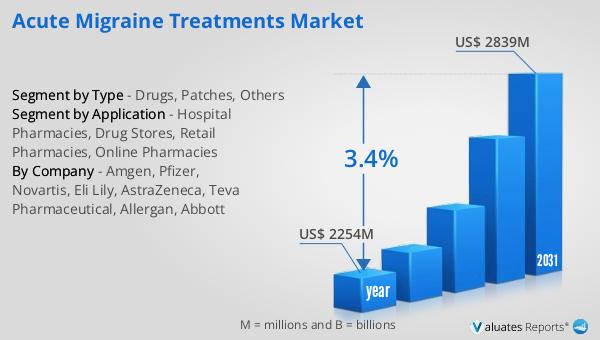
In 2024, the global market for Acute Migraine Treatments was valued at approximately $2,254 million. This market is anticipated to grow steadily, reaching an estimated size of $2,839 million by 2031, with a compound annual growth rate (CAGR) of 3.4% over the forecast period. This growth reflects the increasing demand for effective migraine therapies and the ongoing advancements in treatment options. In comparison, the broader global pharmaceutical market was valued at $1,475 billion in 2022, with a projected CAGR of 5% over the next six years. This indicates a robust growth trajectory for the pharmaceutical industry as a whole, driven by factors such as an aging population, rising healthcare expenditures, and the continuous development of innovative therapies. Meanwhile, the chemical drug market, a significant segment of the pharmaceutical industry, was estimated to grow from $1,005 billion in 2018 to $1,094 billion in 2022. This growth underscores the importance of chemical drugs in addressing a wide range of medical conditions, including migraines. The steady expansion of the Acute Migraine Treatments Market within this broader context highlights the critical role that targeted therapies play in improving patient outcomes and addressing unmet medical needs.


Report Metric Details
Report Name Acute Migraine Treatments Market
Accounted market size in year US$ 2254 million
Forecasted market size in 2031 US$ 2839 million
CAGR 3.4%
Base Year year
Forecasted years 2025 - 2031
Segment by Type
  • Drugs
  • Patches
  • Others
Segment by Application
  • Hospital Pharmacies
  • Drug Stores
  • Retail Pharmacies
  • Online Pharmacies
By Region
  • North America (United States, Canada)
  • Europe (Germany, France, UK, Italy, Russia) Rest of Europe
  • Nordic Countries
  • Asia-Pacific (China, Japan, South Korea)
  • Southeast Asia (India, Australia)
  • Rest of Asia
  • Latin America (Mexico, Brazil)
  • Rest of Latin America
  • Middle East & Africa (Turkey, Saudi Arabia, UAE, Rest of MEA)
By Company Amgen, Pfizer, Novartis, Eli Lily, AstraZeneca, Teva Pharmaceutical, Allergan, Abbott
Forecast units USD million in value
Report coverage Revenue and volume forecast, company share, competitive landscape, growth factors and trends

Global Anophthalmia and Microphthalmia Treatment Market Research Report 2025

What is Global Anophthalmia and Microphthalmia Treatment Market?

The Global Anophthalmia and Microphthalmia Treatment Market focuses on addressing two rare congenital eye conditions: anophthalmia, where one or both eyes are absent, and microphthalmia, where one or both eyes are abnormally small. These conditions can significantly impact a person's vision and overall quality of life. The market encompasses various treatment options aimed at improving the lives of those affected. Treatments range from surgical interventions to medication and prosthetic solutions, each tailored to the specific needs of the patient. The market is driven by advancements in medical technology, increased awareness, and a growing demand for effective treatments. As research continues to evolve, new therapies and techniques are being developed, offering hope for better management and outcomes for individuals with these conditions. The market's growth is also supported by collaborations between healthcare providers, researchers, and pharmaceutical companies, all working towards innovative solutions. This collaborative effort is crucial in addressing the complex challenges posed by anophthalmia and microphthalmia, ultimately aiming to enhance patient care and improve quality of life.

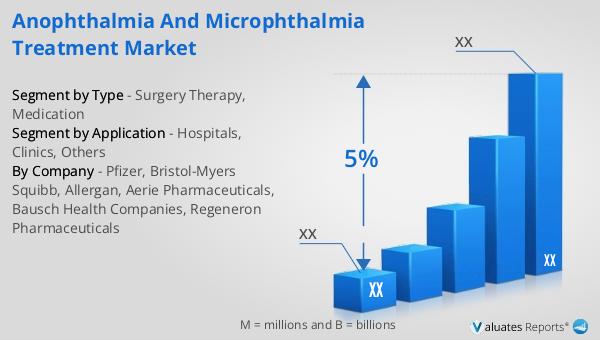
Anophthalmia and Microphthalmia Treatment Market

Surgery Therapy, Medication in the Global Anophthalmia and Microphthalmia Treatment Market:

Surgery therapy and medication are two primary approaches in the Global Anophthalmia and Microphthalmia Treatment Market. Surgical interventions often play a crucial role, especially in severe cases. For anophthalmia, surgery may involve the insertion of orbital expanders to stimulate socket growth, allowing for the eventual fitting of a prosthetic eye. This process can be complex, requiring multiple surgeries over time to achieve the desired outcome. In cases of microphthalmia, surgery might focus on reconstructing the eye socket or correcting associated facial deformities. These procedures are typically performed by specialized ophthalmic surgeons with expertise in pediatric and reconstructive surgery. The goal is to create a more natural appearance and improve the patient's ability to wear a prosthetic eye comfortably. On the other hand, medication plays a supportive role in managing these conditions. While there is no direct pharmaceutical cure for anophthalmia or microphthalmia, medications can help address associated symptoms or complications. For instance, antibiotics may be prescribed to prevent or treat infections following surgery. Additionally, lubricating eye drops or ointments can be used to maintain moisture in the eye socket, especially if a prosthetic eye is worn. In some cases, medications may also be used to manage underlying conditions that could exacerbate the eye abnormalities. The integration of surgery and medication in treatment plans is often tailored to the individual needs of the patient. This personalized approach ensures that each patient receives the most appropriate care, maximizing the potential for improved outcomes. The collaboration between surgeons, ophthalmologists, and other healthcare professionals is essential in developing comprehensive treatment strategies. As research in this field progresses, new surgical techniques and medications are being explored, offering hope for more effective treatments in the future. The market's focus on innovation and patient-centered care continues to drive advancements, ultimately aiming to enhance the quality of life for individuals affected by anophthalmia and microphthalmia.

Hospitals, Clinics, Others in the Global Anophthalmia and Microphthalmia Treatment Market:

The usage of the Global Anophthalmia and Microphthalmia Treatment Market spans various healthcare settings, including hospitals, clinics, and other specialized facilities. Hospitals play a pivotal role in providing comprehensive care for patients with these conditions. They offer access to a wide range of medical specialists, including ophthalmologists, surgeons, and pediatricians, who collaborate to develop individualized treatment plans. Hospitals are equipped with advanced surgical facilities and diagnostic tools, enabling precise interventions and monitoring of patient progress. In addition to surgical treatments, hospitals may also provide rehabilitation services, such as occupational therapy, to support patients in adapting to their condition and improving their quality of life. Clinics, on the other hand, often serve as the first point of contact for patients seeking diagnosis and initial treatment. They provide essential services such as routine eye examinations, diagnostic imaging, and consultations with specialists. Clinics may also offer follow-up care and ongoing management of the condition, ensuring continuity of care for patients. In some cases, clinics may collaborate with hospitals to facilitate referrals for more complex surgical procedures or specialized treatments. Other healthcare facilities, such as specialized eye care centers or rehabilitation centers, also contribute to the treatment landscape. These facilities may focus on specific aspects of care, such as fitting and maintaining prosthetic eyes or providing vision therapy to enhance visual function. The integration of services across different healthcare settings is crucial in ensuring comprehensive and coordinated care for patients. This collaborative approach helps address the multifaceted needs of individuals with anophthalmia and microphthalmia, ultimately aiming to improve their overall well-being. As the market continues to evolve, the emphasis on patient-centered care and interdisciplinary collaboration remains a key driver of progress, fostering the development of innovative solutions and improved treatment outcomes.

Global Anophthalmia and Microphthalmia Treatment Market Outlook:

The outlook for the Global Anophthalmia and Microphthalmia Treatment Market can be contextualized by examining broader trends in the pharmaceutical and chemical drug markets. In 2022, the global pharmaceutical market was valued at approximately 1,475 billion USD, with an anticipated compound annual growth rate (CAGR) of 5% over the next six years. This growth reflects the increasing demand for innovative treatments and therapies across various medical fields, including rare congenital conditions like anophthalmia and microphthalmia. In comparison, the chemical drug market has shown a steady increase, rising from 1,005 billion USD in 2018 to 1,094 billion USD in 2022. This growth underscores the ongoing advancements in drug development and the expanding scope of pharmaceutical applications. The interplay between these markets highlights the importance of continued research and investment in developing effective treatments for rare conditions. As the Global Anophthalmia and Microphthalmia Treatment Market evolves, it benefits from the broader trends in the pharmaceutical industry, leveraging advancements in medical technology and drug development to enhance patient care. The focus on innovation and collaboration among healthcare providers, researchers, and pharmaceutical companies is crucial in addressing the complex challenges posed by these conditions. By fostering a supportive environment for research and development, the market aims to improve treatment outcomes and quality of life for individuals affected by anophthalmia and microphthalmia.


Report Metric Details
Report Name Anophthalmia and Microphthalmia Treatment Market
CAGR 5%
Segment by Type
  • Surgery Therapy
  • Medication
Segment by Application
  • Hospitals
  • Clinics
  • Others
By Region
  • North America (United States, Canada)
  • Europe (Germany, France, UK, Italy, Russia) Rest of Europe
  • Nordic Countries
  • Asia-Pacific (China, Japan, South Korea)
  • Southeast Asia (India, Australia)
  • Rest of Asia
  • Latin America (Mexico, Brazil)
  • Rest of Latin America
  • Middle East & Africa (Turkey, Saudi Arabia, UAE, Rest of MEA)
By Company Pfizer, Bristol-Myers Squibb, Allergan, Aerie Pharmaceuticals, Bausch Health Companies, Regeneron Pharmaceuticals
Forecast units USD million in value
Report coverage Revenue and volume forecast, company share, competitive landscape, growth factors and trends

Global Strong Cation Exchange Agarose Gel Market Research Report 2025

What is Global Strong Cation Exchange Agarose Gel Market? The Global Strong Cation Exchange Agarose Gel Market is a specialized segment wit...