Tuesday, December 2, 2025

Global Online Lottery Market Research Report 2025

What is Global Online Lottery Market?

The Global Online Lottery Market is a rapidly evolving sector that leverages the power of the internet to offer lottery games to a worldwide audience. Unlike traditional lotteries, which require physical tickets and are often limited to specific geographic regions, online lotteries break down these barriers, allowing players from different parts of the world to participate in various games. This market includes a wide range of lottery types, such as draw-based games, instant win games, and sports lotteries, all accessible through digital platforms. The convenience of playing from anywhere, coupled with the allure of potentially life-changing jackpots, has contributed to the growing popularity of online lotteries. Additionally, technological advancements, such as secure payment gateways and user-friendly interfaces, have enhanced the overall user experience, making it easier and safer for players to engage in these games. As a result, the Global Online Lottery Market continues to expand, attracting a diverse demographic of players who are drawn to the excitement and potential rewards of online lottery games.

Online Lottery Market

The Lotto, Quizzes Type Lottery, Numbers Game, Scratch-off Instant Games, Other in the Global Online Lottery Market:

The Global Online Lottery Market encompasses a variety of game types, each offering unique experiences and opportunities for players. The Lotto is perhaps the most traditional form of lottery, where players select a set of numbers in hopes of matching them with the numbers drawn during the lottery event. This type of game is popular due to its simplicity and the massive jackpots it can offer. Quizzes Type Lottery, on the other hand, adds an element of skill to the mix. Players must answer questions correctly to win, making it appealing to those who enjoy testing their knowledge while having a chance to win prizes. Numbers Game is another popular category, where players choose numbers and win based on the outcome of a random draw. This type of lottery is often favored for its straightforward nature and the excitement of waiting for the draw results. Scratch-off Instant Games provide immediate gratification, as players can instantly find out if they have won by scratching off a coating on a digital ticket. These games are quick, easy to play, and offer a wide range of prize levels, making them a favorite for those looking for instant results. Other types of games in the online lottery market include sports lotteries, where players bet on the outcomes of sporting events, and themed games that incorporate popular culture elements to attract a broader audience. Each of these game types contributes to the diversity and appeal of the Global Online Lottery Market, catering to different player preferences and enhancing the overall gaming experience.

Entertainment, Others in the Global Online Lottery Market:

The Global Online Lottery Market serves as a significant source of entertainment for millions of people worldwide. The thrill of participating in a lottery game, combined with the convenience of online access, makes it an attractive option for those seeking leisure activities. Players can enjoy a wide variety of games from the comfort of their homes, eliminating the need to visit physical lottery outlets. This accessibility has broadened the market's reach, attracting a diverse audience that spans different age groups and backgrounds. In addition to entertainment, the online lottery market also serves other purposes. For instance, it can be a tool for fundraising, as many lotteries are organized to support charitable causes or community projects. By participating in these lotteries, players not only have a chance to win prizes but also contribute to meaningful initiatives. Furthermore, the online lottery market provides opportunities for social interaction, as players can join online communities, share their experiences, and discuss strategies. This social aspect adds another layer of enjoyment to the gaming experience, fostering a sense of camaraderie among players. Overall, the Global Online Lottery Market offers a multifaceted experience that goes beyond mere entertainment, providing players with opportunities to engage in charitable activities and connect with others who share similar interests.

Global Online Lottery Market Outlook:

In 2024, the global market for Online Lottery was valued at approximately $124.5 billion. This market is anticipated to grow steadily, reaching an estimated size of $158.92 billion by 2031. This growth trajectory reflects a compound annual growth rate (CAGR) of 3.6% over the forecast period. The steady increase in market size can be attributed to several factors, including the rising popularity of online gaming, advancements in technology, and the increasing accessibility of the internet across the globe. As more people gain access to digital platforms, the potential customer base for online lotteries expands, driving market growth. Additionally, the convenience and ease of participating in online lotteries, coupled with the allure of substantial jackpots, continue to attract new players. This growth is further supported by the development of secure payment systems and user-friendly interfaces, which enhance the overall user experience and build trust among players. As a result, the Global Online Lottery Market is poised for continued expansion, offering exciting opportunities for both players and operators in the coming years.


Report Metric Details
Report Name Online Lottery Market
Accounted market size in year US$ 124500 million
Forecasted market size in 2031 US$ 158920 million
CAGR 3.6%
Base Year year
Forecasted years 2025 - 2031
Segment by Type
  • The Lotto
  • Quizzes Type Lottery
  • Numbers Game
  • Scratch-off Instant Games
  • Other
Segment by Application
  • Entertainment
  • Others
By Region
  • North America (United States, Canada)
  • Europe (Germany, France, UK, Italy, Russia) Rest of Europe
  • Nordic Countries
  • Asia-Pacific (China, Japan, South Korea)
  • Southeast Asia (India, Australia)
  • Rest of Asia
  • Latin America (Mexico, Brazil)
  • Rest of Latin America
  • Middle East & Africa (Turkey, Saudi Arabia, UAE, Rest of MEA)
By Company China Welfare Lottery, China Sports Lottery, Hong Kong Jockey Club, Francaise des Jeux, Camelot Group, Loterias y Apuestas del Estado, Mizuho Bank Ltd, Singapore Pools, California Lottery, Florida Lottery, GTECH, New York State Lottery, INTRALOT, MDJS, Connecticut Lottery, Berjaya Sports Toto Berhad, Magnum, Minnesota State Lottery, Tennessee Education Lottery
Forecast units USD million in value
Report coverage Revenue and volume forecast, company share, competitive landscape, growth factors and trends

Global Football Boots Market Research Report 2025

What is Global Football Boots Market?

The global football boots market is a dynamic and expansive industry that caters to the needs of football players worldwide. Football boots, also known as soccer cleats, are specialized footwear designed to provide players with the necessary grip, support, and comfort on various playing surfaces. This market encompasses a wide range of products, from high-end professional boots to more affordable options for amateur and youth players. The demand for football boots is driven by the sport's immense popularity across different regions, with Europe, South America, and Asia being significant contributors. Innovations in materials and design have led to the development of boots that enhance performance, reduce injury risk, and offer better durability. Major brands in the market continually invest in research and development to introduce new technologies and styles, catering to the diverse preferences of players. The market's growth is also fueled by the increasing participation in football at both grassroots and professional levels, as well as the influence of celebrity endorsements and sponsorships. As the sport continues to evolve, the global football boots market is expected to adapt and expand, meeting the ever-changing demands of players and enthusiasts alike.

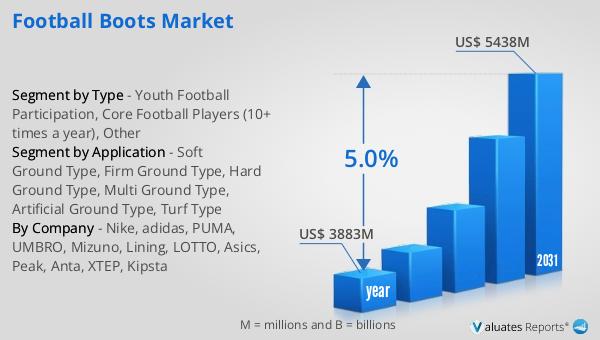
Football Boots Market

Youth Football Participation, Core Football Players (10+ times a year), Other in the Global Football Boots Market:

Youth football participation is a crucial component of the global football boots market, as it represents the future generation of players and consumers. Young players, often starting as early as five or six years old, form a significant portion of the market's customer base. These young athletes require boots that are not only functional but also appealing in terms of design and comfort. As football is a sport that is widely played and loved across the globe, youth participation is particularly high in regions like Europe, South America, and Africa, where football is deeply ingrained in the culture. The enthusiasm for the sport among young players is often fueled by local clubs, schools, and community programs that encourage participation and skill development. Core football players, defined as those who play the sport more than ten times a year, are another vital segment of the market. These players, who may range from amateur enthusiasts to semi-professional athletes, demand high-quality boots that can withstand frequent use and provide optimal performance. They are often more discerning in their choice of footwear, seeking boots that offer the best combination of fit, traction, and durability. This segment is particularly important for brands, as these players are more likely to invest in premium products and stay loyal to brands that meet their needs. Other segments of the market include casual players and fans who may purchase football boots for occasional use or as part of their sportswear collection. These consumers may not play as frequently but still contribute to the market's overall demand. The global football boots market is thus a diverse and multifaceted industry, catering to a wide range of players with varying needs and preferences. As the sport continues to grow in popularity, the market is expected to evolve, offering innovative products that enhance the playing experience for all levels of participants.

Soft Ground Type, Firm Ground Type, Hard Ground Type, Multi Ground Type, Artificial Ground Type, Turf Type in the Global Football Boots Market:

The usage of football boots varies significantly depending on the type of playing surface, which has led to the development of specialized boots for different ground conditions. Soft ground (SG) boots are designed for use on wet and muddy pitches, typically featuring longer and fewer studs that provide better grip and prevent slipping. These boots are essential for players in regions with frequent rainfall or during the rainy season, ensuring that they maintain stability and performance on challenging surfaces. Firm ground (FG) boots, on the other hand, are the most versatile and commonly used type, suitable for natural grass pitches that are neither too wet nor too dry. They usually have a combination of conical and bladed studs that offer excellent traction and comfort, making them a popular choice among players at all levels. Hard ground (HG) boots are designed for use on dry, compacted surfaces, often featuring shorter and more numerous studs to distribute weight evenly and reduce pressure on the feet. These boots are ideal for players in arid regions or during the summer months when pitches tend to harden. Multi-ground (MG) boots offer versatility, with a stud configuration that allows them to be used on both natural and artificial surfaces. This type of boot is particularly appealing to players who frequently switch between different playing environments, providing a cost-effective solution without compromising performance. Artificial ground (AG) boots are specifically designed for synthetic turf, featuring shorter, hollow studs that reduce the risk of injury and provide excellent grip on artificial surfaces. As the use of artificial pitches becomes more common, especially in urban areas, the demand for AG boots has increased. Lastly, turf (TF) boots are designed for use on indoor or outdoor artificial turf surfaces, featuring a rubber outsole with numerous small studs that offer traction and stability. These boots are popular for training sessions and casual play, providing comfort and durability on less demanding surfaces. The diversity in football boot types reflects the sport's global reach and the varying conditions players encounter, highlighting the importance of choosing the right footwear for optimal performance and safety.

Global Football Boots Market Outlook:

The global market for football boots was valued at $3,883 million in 2024, and it is anticipated to grow to a revised size of $5,438 million by 2031, reflecting a compound annual growth rate (CAGR) of 5.0% during the forecast period. This growth is indicative of the increasing popularity of football worldwide and the continuous demand for high-quality footwear that enhances player performance. The market's expansion is driven by several factors, including the rising number of football enthusiasts, the growing participation in the sport at various levels, and the influence of professional leagues and international tournaments. Additionally, advancements in technology and materials have led to the development of innovative football boots that offer improved comfort, durability, and performance, further fueling consumer interest. Major brands in the industry are also investing heavily in marketing and sponsorship deals with top players and teams, which helps to boost brand visibility and attract new customers. As the market continues to evolve, it is expected to adapt to changing consumer preferences and emerging trends, ensuring sustained growth and development in the coming years.


Report Metric Details
Report Name Football Boots Market
Accounted market size in year US$ 3883 million
Forecasted market size in 2031 US$ 5438 million
CAGR 5.0%
Base Year year
Forecasted years 2025 - 2031
Segment by Type
  • Youth Football Participation
  • Core Football Players (10+ times a year)
  • Other
Segment by Application
  • Soft Ground Type
  • Firm Ground Type
  • Hard Ground Type
  • Multi Ground Type
  • Artificial Ground Type
  • Turf Type
Consumption by Region
  • North America (United States, Canada)
  • Europe (Germany, France, UK, Italy, Russia)
  • Asia-Pacific (China, Japan, South Korea, Taiwan)
  • Southeast Asia (India)
  • Latin America (Mexico, Brazil)
By Company Nike, adidas, PUMA, UMBRO, Mizuno, Lining, LOTTO, Asics, Peak, Anta, XTEP, Kipsta
Forecast units USD million in value
Report coverage Revenue and volume forecast, company share, competitive landscape, growth factors and trends

Global OLED TVs Market Research Report 2025

What is Global OLED TVs Market?

The Global OLED TVs Market is a rapidly evolving segment of the consumer electronics industry, characterized by its innovative display technology. OLED, which stands for Organic Light Emitting Diodes, represents a significant advancement over traditional LED and LCD screens. Unlike these older technologies, OLED screens do not require a backlight to illuminate the display. Instead, each pixel emits its own light, allowing for deeper blacks, more vibrant colors, and a higher contrast ratio. This results in a more immersive viewing experience, making OLED TVs highly sought after by consumers who prioritize picture quality. The market for OLED TVs is driven by increasing consumer demand for high-definition and ultra-high-definition content, as well as the growing popularity of streaming services that offer such content. Additionally, the sleek design and energy efficiency of OLED TVs contribute to their appeal. As technology continues to advance, the Global OLED TVs Market is expected to expand, with manufacturers investing in research and development to further enhance the capabilities and affordability of OLED technology. This growth is also supported by the increasing availability of OLED TVs in various sizes and price ranges, making them accessible to a broader audience.

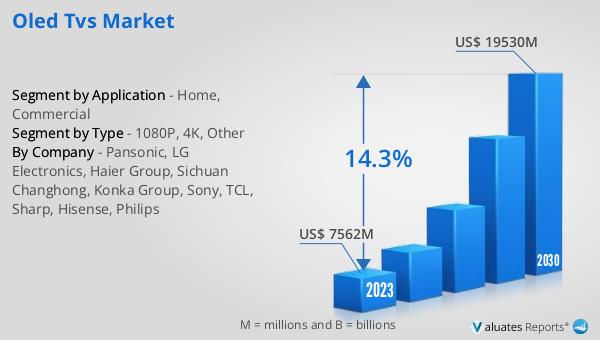
OLED TVs Market

1080P, 4K, Other in the Global OLED TVs Market:

In the realm of Global OLED TVs, the resolution is a critical factor that influences consumer choice and market dynamics. The most common resolutions available in OLED TVs are 1080P, 4K, and other emerging resolutions. 1080P, also known as Full HD, offers a resolution of 1920x1080 pixels. It was once the standard for high-definition televisions and remains popular due to its affordability and compatibility with a wide range of content. However, as technology has advanced, 4K resolution, also known as Ultra High Definition (UHD), has become increasingly prevalent. 4K offers a resolution of 3840x2160 pixels, providing four times the detail of 1080P. This results in sharper images, more detailed textures, and an overall enhanced viewing experience. The rise of 4K content, including streaming services, gaming, and Blu-ray discs, has further fueled the demand for 4K OLED TVs. Beyond 4K, the market is also seeing the emergence of 8K resolution, which offers an even higher level of detail with a resolution of 7680x4320 pixels. While 8K content is still limited, the availability of 8K OLED TVs represents the industry's push towards future-proofing and catering to early adopters who seek the latest technology. The choice between 1080P, 4K, and other resolutions depends on various factors, including budget, viewing habits, and the availability of content. For consumers who primarily watch cable TV or DVDs, 1080P may suffice. However, for those who enjoy streaming high-definition content or gaming, 4K offers a noticeable improvement in picture quality. As the market continues to evolve, manufacturers are likely to focus on making 4K and higher resolutions more accessible to consumers, both in terms of price and content availability. This trend is expected to drive further growth in the Global OLED TVs Market, as consumers increasingly seek out televisions that offer the best possible viewing experience.

Home, Commercial in the Global OLED TVs Market:

The usage of Global OLED TVs Market spans across various areas, with significant applications in both home and commercial settings. In the home environment, OLED TVs are prized for their superior picture quality, which enhances the viewing experience for movies, sports, and gaming. The deep blacks and vibrant colors offered by OLED technology make it ideal for creating a cinematic experience in the comfort of one's living room. Additionally, the slim design and lightweight nature of OLED TVs allow for easy installation and integration into modern home decor. As smart home technology becomes more prevalent, OLED TVs are also being used as central hubs for controlling other connected devices, further increasing their utility in the home setting. In commercial settings, OLED TVs are used in a variety of applications, from digital signage to conference room displays. The high resolution and excellent color accuracy of OLED screens make them ideal for displaying advertisements, promotional content, and presentations. In retail environments, OLED TVs can be used to create eye-catching displays that attract customers and enhance the shopping experience. In corporate settings, OLED TVs are used in conference rooms and meeting spaces to facilitate presentations and video conferencing, providing clear and detailed visuals that enhance communication and collaboration. The versatility of OLED technology also allows for innovative applications, such as transparent displays and flexible screens, which can be used in creative ways to engage audiences and convey information. As the Global OLED TVs Market continues to grow, the range of applications in both home and commercial settings is expected to expand, driven by advancements in technology and increasing consumer demand for high-quality displays.

Global OLED TVs Market Outlook:

The global market for OLED TVs was valued at approximately $9,905 million in 2024. This figure highlights the significant demand and consumer interest in OLED technology at that time. The market is projected to experience substantial growth, reaching an estimated size of $24,870 million by 2031. This growth trajectory indicates a compound annual growth rate (CAGR) of 14.3% during the forecast period. Such a robust growth rate underscores the increasing adoption of OLED TVs across various regions and consumer segments. Several factors contribute to this upward trend, including advancements in display technology, the growing availability of high-definition content, and the rising popularity of streaming services. Additionally, the aesthetic appeal and energy efficiency of OLED TVs make them an attractive choice for consumers looking to upgrade their home entertainment systems. As manufacturers continue to innovate and expand their product offerings, the Global OLED TVs Market is poised for continued expansion, with more consumers recognizing the benefits of OLED technology. This growth is also supported by the increasing affordability of OLED TVs, making them accessible to a wider audience. Overall, the market outlook for OLED TVs is positive, with strong growth expected in the coming years.


Report Metric Details
Report Name OLED TVs Market
Accounted market size in year US$ 9905 million
Forecasted market size in 2031 US$ 24870 million
CAGR 14.3%
Base Year year
Forecasted years 2025 - 2031
Segment by Type
  • 1080P
  • 4K
  • Other
Segment by Application
  • Home
  • Commercial
Consumption by Region
  • North America (United States, Canada)
  • Europe (Germany, France, UK, Italy, Russia)
  • Asia-Pacific (China, Japan, South Korea, Taiwan)
  • Southeast Asia (India)
  • Latin America (Mexico, Brazil)
By Company Pansonic, LG Electronics, Haier Group, Sichuan Changhong, Konka Group, Sony, TCL, Sharp, Hisense, Philips
Forecast units USD million in value
Report coverage Revenue and volume forecast, company share, competitive landscape, growth factors and trends

Global Wireless Speakers Market Research Report 2025

What is Global Wireless Speakers Market?

The Global Wireless Speakers Market refers to the industry focused on the production and sale of speakers that connect to audio sources without the need for physical cables. These speakers use technologies like Bluetooth, Wi-Fi, and NFC to stream audio from devices such as smartphones, tablets, and computers. The market has grown significantly due to the increasing demand for convenient and portable audio solutions. Consumers appreciate the flexibility and ease of use that wireless speakers offer, allowing them to enjoy music, podcasts, and other audio content in various settings without being tethered by wires. The market encompasses a wide range of products, from compact, portable speakers to larger, more powerful models designed for home or commercial use. As technology advances, these speakers continue to improve in terms of sound quality, battery life, and connectivity options, further driving their popularity among consumers worldwide. The Global Wireless Speakers Market is characterized by rapid innovation and competition, with numerous brands striving to capture the attention of tech-savvy consumers looking for high-quality audio experiences.

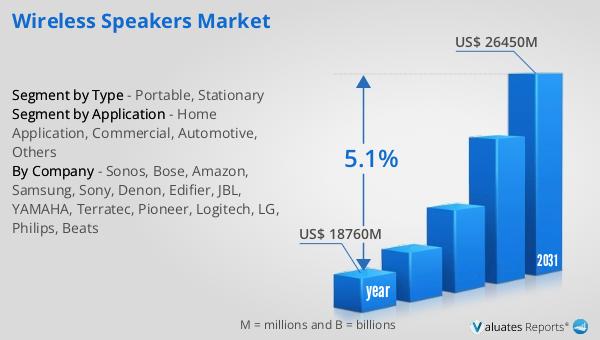
Wireless Speakers Market

Portable, Stationary in the Global Wireless Speakers Market:

In the Global Wireless Speakers Market, products can be broadly categorized into portable and stationary speakers, each serving different consumer needs and preferences. Portable wireless speakers are designed for mobility and convenience, making them ideal for users who want to enjoy music on the go. These speakers are typically compact, lightweight, and equipped with rechargeable batteries, allowing users to carry them to various locations such as parks, beaches, or outdoor gatherings. The portability factor is a significant selling point, as it enables users to enjoy high-quality audio without being confined to a specific location. Many portable speakers also come with features like water resistance, rugged designs, and long battery life, enhancing their appeal for outdoor use. On the other hand, stationary wireless speakers are designed for more permanent setups, often used in home or office environments. These speakers are generally larger and offer superior sound quality compared to their portable counterparts. They are typically powered by AC outlets, eliminating the need for frequent recharging. Stationary speakers are often integrated into home audio systems, providing a seamless and immersive listening experience. They can be connected to various devices through Wi-Fi or Bluetooth, allowing users to stream music from their preferred sources. Some stationary speakers also come with smart features, such as voice assistants, enabling users to control their audio experience with voice commands. The choice between portable and stationary wireless speakers largely depends on the user's lifestyle and audio preferences. While portable speakers offer flexibility and convenience, stationary speakers provide a more robust and high-fidelity audio experience. As the Global Wireless Speakers Market continues to evolve, manufacturers are constantly innovating to meet the diverse needs of consumers, offering a wide range of products that cater to different tastes and requirements. Whether for personal use, social gatherings, or professional settings, wireless speakers have become an integral part of modern audio consumption, providing users with the freedom to enjoy their favorite sounds anytime, anywhere.

Home Application, Commercial, Automotive, Others in the Global Wireless Speakers Market:

The usage of wireless speakers spans various areas, including home applications, commercial settings, automotive environments, and other unique scenarios. In home applications, wireless speakers have become a staple for many households, offering a convenient way to enjoy music, podcasts, and other audio content throughout the home. They can be easily connected to smartphones, tablets, or computers, allowing users to stream their favorite tunes without the hassle of wires. Many home users appreciate the ability to move speakers from room to room, creating a dynamic and flexible audio experience. In commercial settings, wireless speakers are used to enhance the ambiance and customer experience in places like restaurants, retail stores, and offices. They provide a seamless way to play background music or make announcements without the need for complex wiring systems. The ease of installation and operation makes them an attractive option for businesses looking to improve their audio capabilities. In the automotive sector, wireless speakers are increasingly being integrated into vehicles, offering drivers and passengers a high-quality audio experience without the need for traditional wired connections. This integration allows for a cleaner and more streamlined interior design, as well as the ability to easily connect personal devices for music streaming. Other unique applications of wireless speakers include outdoor events, fitness classes, and educational settings, where they provide a portable and efficient way to deliver sound to large groups. The versatility and adaptability of wireless speakers make them a valuable tool in a wide range of scenarios, catering to the diverse needs of users across different industries and environments. As technology continues to advance, the potential applications for wireless speakers are likely to expand even further, offering new and innovative ways to enjoy audio content.

Global Wireless Speakers Market Outlook:

The global market for wireless speakers was valued at $18,760 million in 2024 and is anticipated to grow to a revised size of $26,450 million by 2031, reflecting a compound annual growth rate (CAGR) of 5.1% during the forecast period. This growth trajectory highlights the increasing demand for wireless audio solutions across various consumer segments. The market's expansion can be attributed to several factors, including technological advancements, rising consumer preference for portable and convenient audio devices, and the growing popularity of smart home systems. As more consumers seek seamless and high-quality audio experiences, manufacturers are focusing on developing innovative products that cater to these evolving needs. The integration of smart features, such as voice assistants and multi-room audio capabilities, has further fueled the market's growth, offering users enhanced functionality and control over their audio environments. Additionally, the increasing adoption of wireless speakers in commercial and automotive settings has contributed to the market's upward trajectory, as businesses and car manufacturers recognize the benefits of wireless audio solutions. Overall, the global wireless speakers market is poised for continued growth, driven by the ongoing demand for cutting-edge audio technology and the desire for more flexible and user-friendly audio experiences.


Report Metric Details
Report Name Wireless Speakers Market
Accounted market size in year US$ 18760 million
Forecasted market size in 2031 US$ 26450 million
CAGR 5.1%
Base Year year
Forecasted years 2025 - 2031
Segment by Type
  • Portable
  • Stationary
Segment by Application
  • Home Application
  • Commercial
  • Automotive
  • Others
Consumption by Region
  • North America (United States, Canada)
  • Europe (Germany, France, UK, Italy, Russia)
  • Asia-Pacific (China, Japan, South Korea, Taiwan)
  • Southeast Asia (India)
  • Latin America (Mexico, Brazil)
By Company Sonos, Bose, Amazon, Samsung, Sony, Denon, Edifier, JBL, YAMAHA, Terratec, Pioneer, Logitech, LG, Philips, Beats
Forecast units USD million in value
Report coverage Revenue and volume forecast, company share, competitive landscape, growth factors and trends

Global Hand Dryers Market Research Report 2025

What is Global Hand Dryers Market?

The global hand dryers market is a rapidly evolving sector within the broader hygiene and sanitation industry. Hand dryers are electric devices used to dry hands, typically found in public restrooms. They offer an eco-friendly alternative to paper towels, reducing waste and operational costs. The market is driven by increasing awareness of hygiene, technological advancements, and a growing emphasis on sustainability. Hand dryers are available in various types, including warm air and jet air models, each catering to different consumer preferences and needs. The market is characterized by a diverse range of products, from basic models to advanced units with features like HEPA filters and touchless operation. The adoption of hand dryers is widespread across various sectors, including hospitality, healthcare, and commercial spaces, reflecting a global trend towards more sustainable and efficient hygiene solutions. As businesses and institutions continue to prioritize cleanliness and environmental responsibility, the demand for hand dryers is expected to grow, offering significant opportunities for manufacturers and suppliers in the market. The global hand dryers market is poised for continued expansion, driven by innovation and a commitment to improving public health and environmental outcomes.

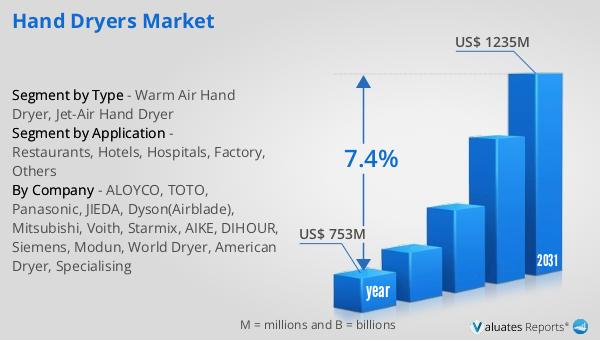
Hand Dryers Market

Warm Air Hand Dryer, Jet-Air Hand Dryer in the Global Hand Dryers Market:

Warm air hand dryers and jet-air hand dryers are two prominent types of devices within the global hand dryers market, each offering unique benefits and features. Warm air hand dryers operate by blowing warm air onto the hands, evaporating moisture over a period of time. These dryers are typically more affordable and are often found in locations where cost is a primary consideration. They are easy to install and maintain, making them a popular choice for businesses looking to reduce their reliance on paper towels. However, they generally take longer to dry hands compared to jet-air models, which can be a drawback in high-traffic areas where quick turnover is essential. On the other hand, jet-air hand dryers represent a more advanced technology, using powerful jets of air to scrape water off the hands in a matter of seconds. These dryers are known for their speed and efficiency, making them ideal for busy environments such as airports, shopping malls, and large office buildings. Jet-air dryers often come with additional features like HEPA filters, which help to purify the air and reduce the spread of germs, enhancing their appeal in settings where hygiene is a top priority. Despite their higher initial cost, jet-air hand dryers can offer long-term savings by reducing energy consumption and eliminating the need for paper towels. Both types of hand dryers contribute to environmental sustainability by minimizing waste and lowering the carbon footprint associated with paper towel production and disposal. As the global hand dryers market continues to grow, manufacturers are focusing on innovation and design improvements to meet the evolving needs of consumers. This includes the development of quieter models, energy-efficient technologies, and touchless operation to enhance user experience and hygiene. The choice between warm air and jet-air hand dryers ultimately depends on factors such as budget, location, and specific user requirements. Businesses and institutions must weigh the pros and cons of each type to determine the best fit for their needs, considering both the immediate and long-term benefits. As awareness of environmental issues and hygiene standards increases, the demand for both warm air and jet-air hand dryers is expected to rise, driving further advancements and growth in the global hand dryers market.

Restaurants, Hotels, Hospitals, Factory, Others in the Global Hand Dryers Market:

The usage of hand dryers in various sectors such as restaurants, hotels, hospitals, factories, and others highlights their versatility and importance in maintaining hygiene standards. In restaurants, hand dryers play a crucial role in ensuring that both staff and customers have access to efficient hand drying solutions. This is particularly important in food service environments where hygiene is paramount to prevent contamination and ensure food safety. Hand dryers help reduce the spread of germs and bacteria, contributing to a cleaner and safer dining experience. In hotels, hand dryers are a common feature in guest rooms and public restrooms, offering a convenient and eco-friendly alternative to paper towels. They enhance the guest experience by providing a modern and hygienic solution for hand drying, while also supporting the hotel's sustainability initiatives. In hospitals, where hygiene is critical, hand dryers are used to minimize the risk of infection and cross-contamination. They are often equipped with advanced features such as HEPA filters to ensure that the air used for drying is clean and free from pathogens. In factories and industrial settings, hand dryers are essential for maintaining cleanliness and hygiene among workers. They help reduce the spread of germs and bacteria, which is particularly important in environments where employees handle raw materials or products. Hand dryers are also used in a variety of other settings, including schools, offices, and public restrooms, where they provide a convenient and efficient solution for hand drying. The adoption of hand dryers in these areas reflects a growing awareness of the importance of hygiene and sustainability. As businesses and institutions continue to prioritize cleanliness and environmental responsibility, the demand for hand dryers is expected to grow, offering significant opportunities for manufacturers and suppliers in the market. The versatility and effectiveness of hand dryers make them an essential component of modern hygiene practices, contributing to a cleaner and healthier environment for all.

Global Hand Dryers Market Outlook:

The global hand dryers market is experiencing significant growth, with its value estimated at $753 million in 2024. This market is projected to expand to a revised size of $1,235 million by 2031, reflecting a compound annual growth rate (CAGR) of 7.4% during the forecast period. This growth is driven by several factors, including increasing awareness of hygiene, technological advancements, and a growing emphasis on sustainability. As businesses and institutions continue to prioritize cleanliness and environmental responsibility, the demand for hand dryers is expected to rise. The market is characterized by a diverse range of products, from basic models to advanced units with features like HEPA filters and touchless operation. The adoption of hand dryers is widespread across various sectors, including hospitality, healthcare, and commercial spaces, reflecting a global trend towards more sustainable and efficient hygiene solutions. The global hand dryers market is poised for continued expansion, driven by innovation and a commitment to improving public health and environmental outcomes. As awareness of environmental issues and hygiene standards increases, the demand for hand dryers is expected to rise, driving further advancements and growth in the global hand dryers market.


Report Metric Details
Report Name Hand Dryers Market
Accounted market size in year US$ 753 million
Forecasted market size in 2031 US$ 1235 million
CAGR 7.4%
Base Year year
Forecasted years 2025 - 2031
Segment by Type
  • Warm Air Hand Dryer
  • Jet-Air Hand Dryer
Segment by Application
  • Restaurants
  • Hotels
  • Hospitals
  • Factory
  • Others
Consumption by Region
  • North America (United States, Canada)
  • Europe (Germany, France, UK, Italy, Russia)
  • Asia-Pacific (China, Japan, South Korea, Taiwan)
  • Southeast Asia (India)
  • Latin America (Mexico, Brazil)
By Company ALOYCO, TOTO, Panasonic, JIEDA, Dyson(Airblade), Mitsubishi, Voith, Starmix, AIKE, DIHOUR, Siemens, Modun, World Dryer, American Dryer, Specialising
Forecast units USD million in value
Report coverage Revenue and volume forecast, company share, competitive landscape, growth factors and trends

Global Commercial Laundry Market Research Report 2025

What is Global Commercial Laundry Market?

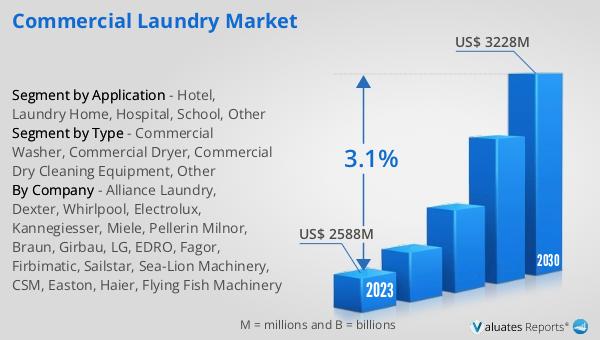
The global commercial laundry market is a dynamic and essential sector that caters to the needs of various industries requiring large-scale laundry solutions. This market encompasses a wide range of equipment and services designed to handle high volumes of laundry efficiently and effectively. Commercial laundry services are crucial for businesses such as hotels, hospitals, and laundromats, where the demand for clean linens, uniforms, and other textiles is constant and high. The market includes various types of equipment like commercial washers, dryers, and dry cleaning machines, each tailored to meet specific needs. The growth of this market is driven by factors such as the increasing demand for hygienic laundry solutions, technological advancements in laundry equipment, and the expansion of the hospitality and healthcare sectors. As businesses continue to prioritize cleanliness and efficiency, the global commercial laundry market is expected to see sustained growth, offering numerous opportunities for manufacturers and service providers to innovate and expand their offerings.

Commercial Laundry Market

Commercial Washer, Commercial Dryer, Commercial Dry Cleaning Equipment, Other in the Global Commercial Laundry Market:

Commercial laundry equipment is the backbone of the global commercial laundry market, providing the necessary tools for businesses to maintain high standards of cleanliness and efficiency. Among the key components of this market are commercial washers, which are designed to handle large loads of laundry with ease. These machines are built to withstand the rigors of continuous use, offering features such as high-speed spin cycles, energy efficiency, and advanced washing programs that cater to different fabric types and soil levels. Commercial washers are essential for businesses that require quick turnaround times and consistent results, making them a vital part of the laundry process.

Hotel, Laundry Home, Hospital, School, Other in the Global Commercial Laundry Market:

Commercial dryers complement washers by providing efficient drying solutions for large volumes of laundry. These machines are equipped with advanced technologies that ensure even drying, reduce energy consumption, and minimize fabric wear and tear. Features such as moisture sensors, programmable controls, and large drum capacities make commercial dryers indispensable for businesses that need to process laundry quickly and efficiently. The ability to handle bulky items like bed linens and towels makes these dryers a crucial component of the commercial laundry market.

Global Commercial Laundry Market Outlook:

Commercial dry cleaning equipment offers specialized solutions for garments and textiles that require delicate handling and care. These machines use solvents instead of water to clean fabrics, making them ideal for items that are sensitive to water or require special treatment. Commercial dry cleaning equipment is essential for businesses that offer garment care services, such as dry cleaners and specialty laundries. The equipment is designed to provide thorough cleaning while preserving the quality and integrity of the fabrics, ensuring customer satisfaction and repeat business.


Report Metric Details
Report Name Commercial Laundry Market
Accounted market size in year US$ 2757 million
Forecasted market size in 2031 US$ 3413 million
CAGR 3.1%
Base Year year
Forecasted years 2025 - 2031
Segment by Type
  • Commercial Washer
  • Commercial Dryer
  • Commercial Dry Cleaning Equipment
  • Other
Segment by Application
  • Hotel
  • Laundry Home
  • Hospital
  • School
  • Other
Consumption by Region
  • North America (United States, Canada)
  • Europe (Germany, France, UK, Italy, Russia)
  • Asia-Pacific (China, Japan, South Korea, Taiwan)
  • Southeast Asia (India)
  • Latin America (Mexico, Brazil)
By Company Alliance Laundry, Dexter, Whirlpool, Electrolux, Kannegiesser, Miele, Pellerin Milnor, Braun, Girbau, LG, EDRO, Fagor, Firbimatic, Sailstar, Sea-Lion Machinery, CSM, Easton, Haier, Flying Fish Machinery
Forecast units USD million in value
Report coverage Revenue and volume forecast, company share, competitive landscape, growth factors and trends

Global Albumin (Human) Market Research Report 2025

What is Global Albumin (Human) Market?

The Global Albumin (Human) Market refers to the worldwide industry focused on the production, distribution, and utilization of human albumin, a vital protein found in blood plasma. Albumin plays a crucial role in maintaining blood volume and pressure, transporting hormones, vitamins, and drugs, and providing essential nutrients to tissues. The market encompasses various applications of human albumin, including its use in medical treatments, pharmaceutical formulations, and research. Human albumin is often used in treating conditions such as liver and kidney diseases, shock, burns, and during surgeries to restore blood volume. The demand for human albumin is driven by its therapeutic benefits, increasing prevalence of chronic diseases, and advancements in medical technology. The market is characterized by the presence of several key players who manufacture and supply albumin products globally. These companies invest in research and development to enhance product quality and expand their application areas. The market is also influenced by regulatory frameworks and policies governing the production and distribution of human albumin. Overall, the Global Albumin (Human) Market is a dynamic and growing sector, driven by the increasing need for effective medical treatments and the expanding healthcare industry worldwide.

Albumin (Human) Market

Injection, Freeze-dried Injection in the Global Albumin (Human) Market:

Injection and freeze-dried injection forms of human albumin are critical components of the Global Albumin (Human) Market, serving various medical needs. Human albumin injections are typically used in clinical settings to treat patients with low blood volume or low protein levels, which can occur due to surgery, trauma, burns, or severe infections. These injections help restore blood volume and maintain proper circulation, ensuring that vital organs receive adequate oxygen and nutrients. The freeze-dried injection form, also known as lyophilized albumin, offers several advantages, including longer shelf life and ease of storage and transportation. This form is particularly beneficial in regions with limited access to refrigeration or where transportation infrastructure is underdeveloped. The process of freeze-drying involves removing water from the albumin solution, resulting in a stable powder that can be reconstituted with sterile water before administration. This method preserves the protein's integrity and efficacy, making it a reliable option for healthcare providers. The demand for injection and freeze-dried injection forms of human albumin is driven by the increasing prevalence of chronic diseases, rising surgical procedures, and the growing geriatric population. As the global population ages, the incidence of conditions requiring albumin therapy, such as liver and kidney diseases, is expected to rise, further fueling market growth. Additionally, advancements in biotechnology and pharmaceutical manufacturing have led to the development of more efficient and cost-effective production methods for human albumin, enhancing its accessibility and affordability. The market for injection and freeze-dried injection forms of human albumin is highly competitive, with several key players investing in research and development to improve product quality and expand their application areas. These companies are also focusing on strategic collaborations and partnerships to strengthen their market presence and reach a broader customer base. Regulatory agencies play a crucial role in overseeing the production and distribution of human albumin injections, ensuring that they meet stringent safety and efficacy standards. Compliance with these regulations is essential for manufacturers to gain market approval and maintain consumer trust. In conclusion, injection and freeze-dried injection forms of human albumin are vital components of the Global Albumin (Human) Market, addressing a wide range of medical needs and contributing to improved patient outcomes. The market is poised for growth, driven by increasing demand for effective medical treatments, advancements in production technologies, and the expanding healthcare industry worldwide.

Liver Diseases, Kidney Diseases, Neoplasm, Other Diseases in the Global Albumin (Human) Market:

The Global Albumin (Human) Market plays a significant role in the treatment of various diseases, including liver diseases, kidney diseases, neoplasms, and other conditions. In liver diseases, human albumin is used to manage complications such as ascites, a condition characterized by the accumulation of fluid in the abdominal cavity. Albumin helps reduce fluid retention and improve blood circulation, alleviating symptoms and enhancing patient quality of life. It is also used in the treatment of hepatic encephalopathy, a neurological disorder caused by liver dysfunction, by improving blood flow and reducing toxin levels in the brain. In kidney diseases, human albumin is used to treat nephrotic syndrome, a condition marked by excessive protein loss in the urine. Albumin therapy helps restore protein levels in the blood, reducing edema and preventing further kidney damage. It is also used in dialysis patients to maintain blood volume and pressure during treatment, ensuring effective waste removal and toxin clearance. In the context of neoplasms, human albumin is used as a carrier for anticancer drugs, enhancing their delivery and efficacy. Albumin-bound drug formulations, such as paclitaxel, have shown improved therapeutic outcomes in cancer patients by increasing drug solubility and targeting tumor cells more effectively. This approach minimizes side effects and enhances patient tolerance to chemotherapy. Beyond these specific conditions, human albumin is used in the treatment of other diseases, such as shock, burns, and sepsis, where it helps restore blood volume and improve circulation. It is also used in surgical settings to manage blood loss and maintain hemodynamic stability. The versatility of human albumin in treating a wide range of medical conditions underscores its importance in the healthcare industry. The demand for albumin therapy is driven by the increasing prevalence of chronic diseases, advancements in medical technology, and the growing geriatric population. As the global population ages, the incidence of conditions requiring albumin therapy is expected to rise, further fueling market growth. In conclusion, the Global Albumin (Human) Market is a vital component of the healthcare industry, providing effective treatment options for various diseases and improving patient outcomes. Its role in managing liver and kidney diseases, neoplasms, and other conditions highlights its therapeutic potential and underscores the importance of continued research and development in this field.

Global Albumin (Human) Market Outlook:

The worldwide market for human albumin was estimated to be worth $5,556 million in 2024, and it is anticipated to grow to a revised size of $7,529 million by 2031, reflecting a compound annual growth rate (CAGR) of 4.5% over the forecast period. This growth trajectory indicates a steady increase in demand for human albumin, driven by its extensive applications in medical treatments and the rising prevalence of chronic diseases. The market's expansion is also supported by advancements in biotechnology and pharmaceutical manufacturing, which have improved the efficiency and cost-effectiveness of albumin production. As healthcare systems worldwide continue to evolve and expand, the need for effective therapeutic solutions like human albumin is expected to rise, further propelling market growth. The projected increase in market size underscores the importance of human albumin in the healthcare industry and highlights the potential for continued innovation and development in this field. Companies operating in the Global Albumin (Human) Market are likely to focus on strategic collaborations, research and development, and regulatory compliance to capitalize on the growing demand and maintain a competitive edge. Overall, the market outlook for human albumin is positive, with significant opportunities for growth and advancement in the coming years.


Report Metric Details
Report Name Albumin (Human) Market
Accounted market size in year US$ 5556 million
Forecasted market size in 2031 US$ 7529 million
CAGR 4.5%
Base Year year
Forecasted years 2025 - 2031
Segment by Type
  • Injection
  • Freeze-dried Injection
Segment by Application
  • Liver Diseases
  • Kidney Diseases
  • Neoplasm
  • Other Diseases
Consumption by Region
  • North America (United States, Canada)
  • Europe (Germany, France, UK, Italy, Russia)
  • Asia-Pacific (China, Japan, South Korea, Taiwan)
  • Southeast Asia (India)
  • Latin America (Mexico, Brazil)
By Company CSL Behring, Baxter, Grifols, Octapharma, Zhongsheng Group, Taibang Bio, Shanghai Laishi, Hualan Bio
Forecast units USD million in value
Report coverage Revenue and volume forecast, company share, competitive landscape, growth factors and trends

Global Strong Cation Exchange Agarose Gel Market Research Report 2025

What is Global Strong Cation Exchange Agarose Gel Market? The Global Strong Cation Exchange Agarose Gel Market is a specialized segment wit...